
Fire Stopping for Openings & Voids
We identify and seal the gaps, holes and builder's openings left in fire-rated walls and floors - reinstating the full fire resistance rating with tested, documented systems ready for sign-off.
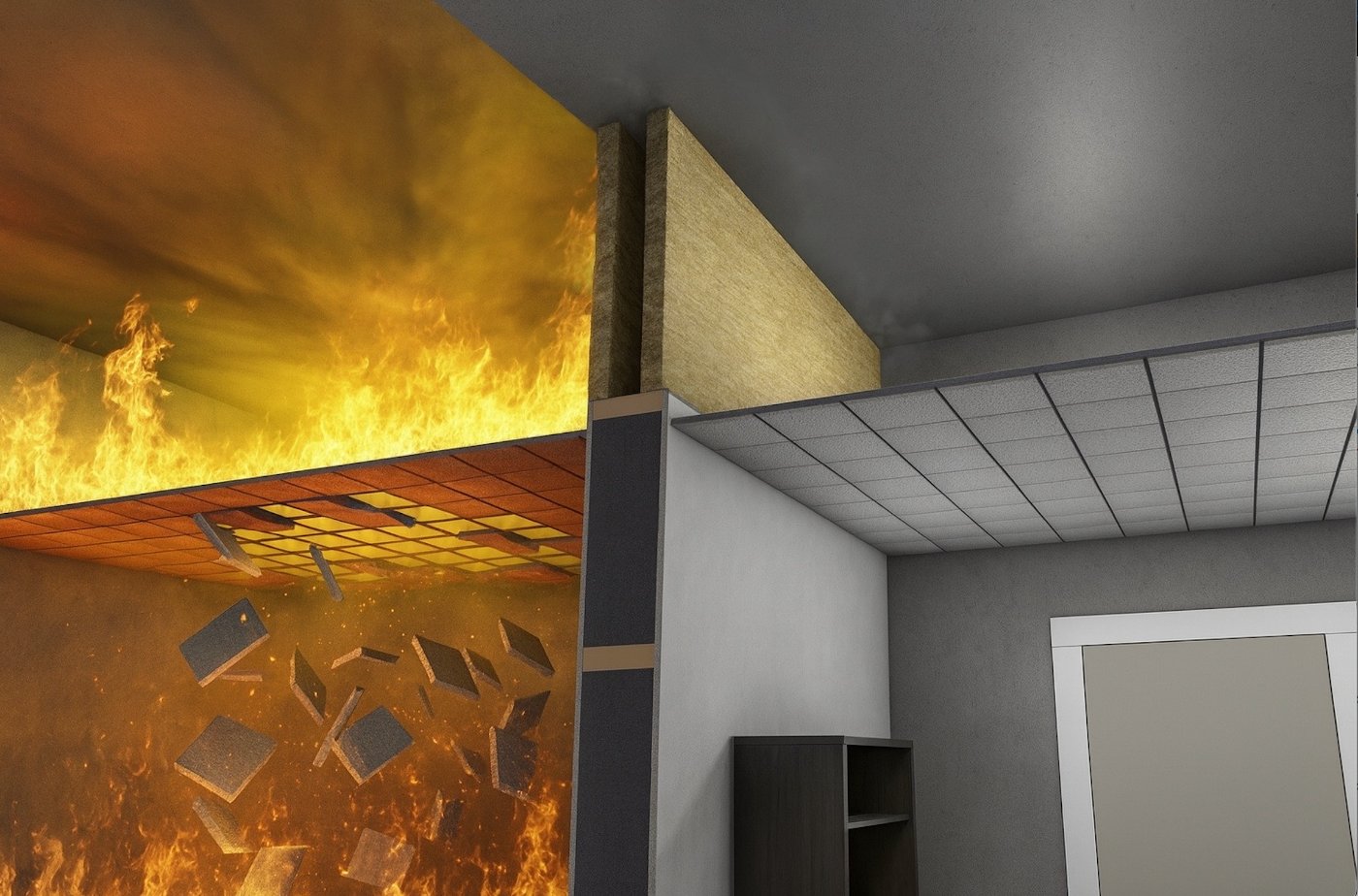
Unsealed gaps that undermine your fire strategy
When walls are built, trades work through a building, or renovations are completed, openings get left behind. For building owners across Auckland, fire stopping for openings is a compliance issue that's easy to overlook - but carries serious risk.
Any of these gaps, regardless of size, can allow fire and smoke to bypass fire-rated compartments entirely. At Halt Fire, we seal these voids using tested passive fire systems that reinstate the full fire resistance rating of the affected barrier - documented and ready for sign-off.
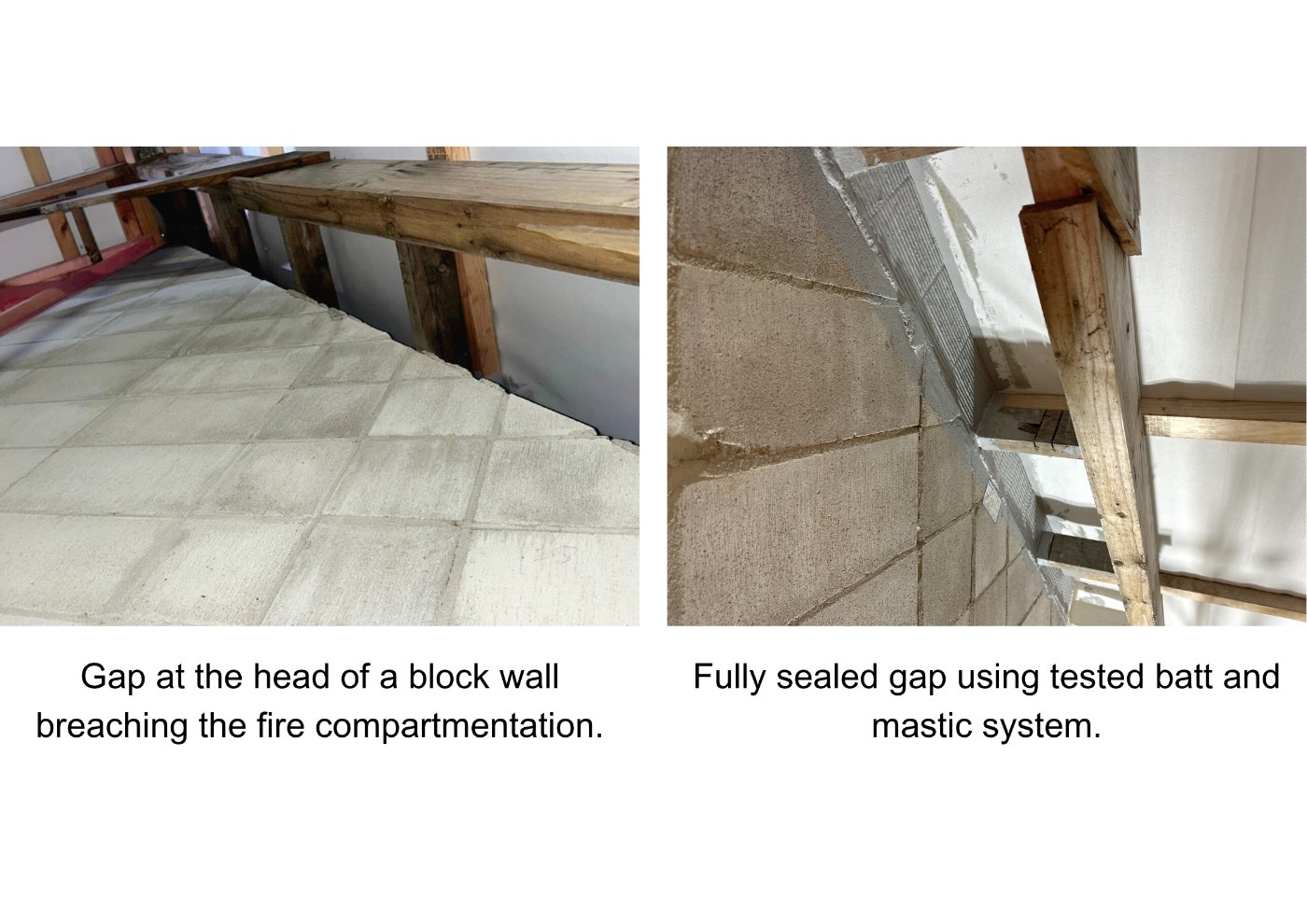
Openings & voids we close off
We supply and install approved fire-stopping systems to close off openings and voids throughout fire-rated construction.
Fire-rated plasterboard & concrete walls
Holes and openings left in fire-rated wall construction, reinstated to the required rating.
Floor slabs & ceiling spaces
Penetrations and voids through floor slabs and within ceiling cavities.
Wall-to-wall & floor-to-wall junctions
Gaps at the junctions where barriers meet - a common compliance failure point.
Soffits, riser shafts & wall cavities
Concealed voids in soffits, vertical risers and wall cavities that bypass compartments.
Redundant pipe & cable openings
Openings left behind after services are removed or rerouted.
Oversized builder's openings
Large openings left unsealed after construction or rough-in.
The right system for each void
We assess each void individually - confirming the fire resistance rating required, the substrate type and the geometry - then select the right tested system.
Plasterboard infill
Reinstating fire-rated plasterboard wall and ceiling construction where openings have been cut or left.
Rockwool board & mastic
Fire-rated batt board sealed with intumescent or acrylic mastic for larger or irregular voids.
Fire-rated mortar
High-density mortar systems for large openings, slab penetrations and floor voids.
Combination systems
Engineered combinations of board, mortar and mastic for complex or oversized openings.
A clear, documented process on every job
Site assessment
We inspect the void, confirm the fire resistance rating required, and identify the correct solution.
System selection
We specify the appropriate tested product or combination system based on substrate and gap geometry.
Installation
Qualified technicians install the system to manufacturer specifications and NZ Building Code requirements.
Documentation
Before/after photos, product data sheets and compliance records - ready for BWOF, council and handover.
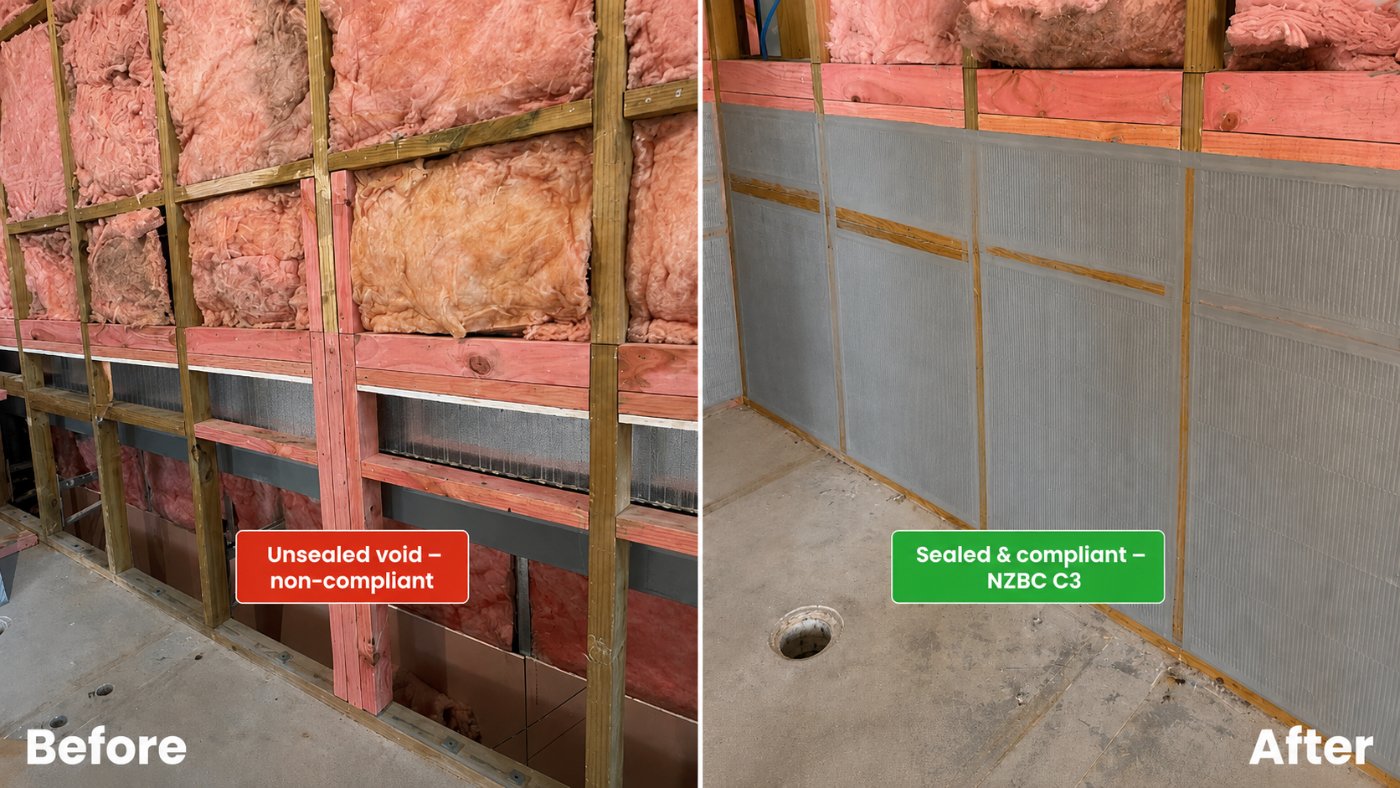
Sealed, documented and ready for sign-off
Every installation is documented through our QA system and ready for council or BWOF sign-off.
- Before & after photos of every sealed opening
- Product data sheets for the tested systems used
- Written compliance records for BWOF files and council
- NZBC Clause C3 compliant systems installed to spec
Perfect for
Building owners
Managing BWOF compliance and certification.
Facility managers
In commercial or multi-tenancy buildings.
Contractors & site managers
On new builds or fit-outs.
Architects & designers
Specifying passive fire remediation.
Body corporates
In apartment and multi-unit buildings.
Failed at inspection?
Anyone told they have a failed opening or void.
Unsealed voids let fire and smoke travel freely
Often undetected until an inspection or emergency. Professionally sealing these openings:
- 1
Restores the fire resistance rating
Reinstates the full rating of the affected barrier.
- 2
Maintains NZBC Clause C3 compliance
Keeps your building compliant with the Building Code.
- 3
Prevents delays
Avoids hold-ups to occupancy or building certification.
- 4
Reduces liability
Lowers risk for building owners and contractors.
- 5
Satisfies inspections
Passes BWOF inspections and council requirements.
Fire stopping openings & voids, common questions
What counts as an opening or void in passive fire terms?
How small does a gap have to be before it needs sealing?
What's the difference between an opening, a void and a service penetration?
How do you select the right product?
Will unsealed openings affect my BWOF?
Do you provide documentation?
Other passive fire issues to address
If you have openings and voids, there are likely other passive fire issues nearby.
Let's secure your site
Reach out today for expert advice or a quote on sealing fire-rated openings and voids. We'll assess each void and give you a compliant, documented solution.