Service Penetration Fire Stopping
We seal the pipes, cables and ducts that pass through your fire-rated walls and floors with tested, BRANZ-appraised fire stopping systems and the PS3 documentation your IQP and Council require.
What is service penetration fire stopping?
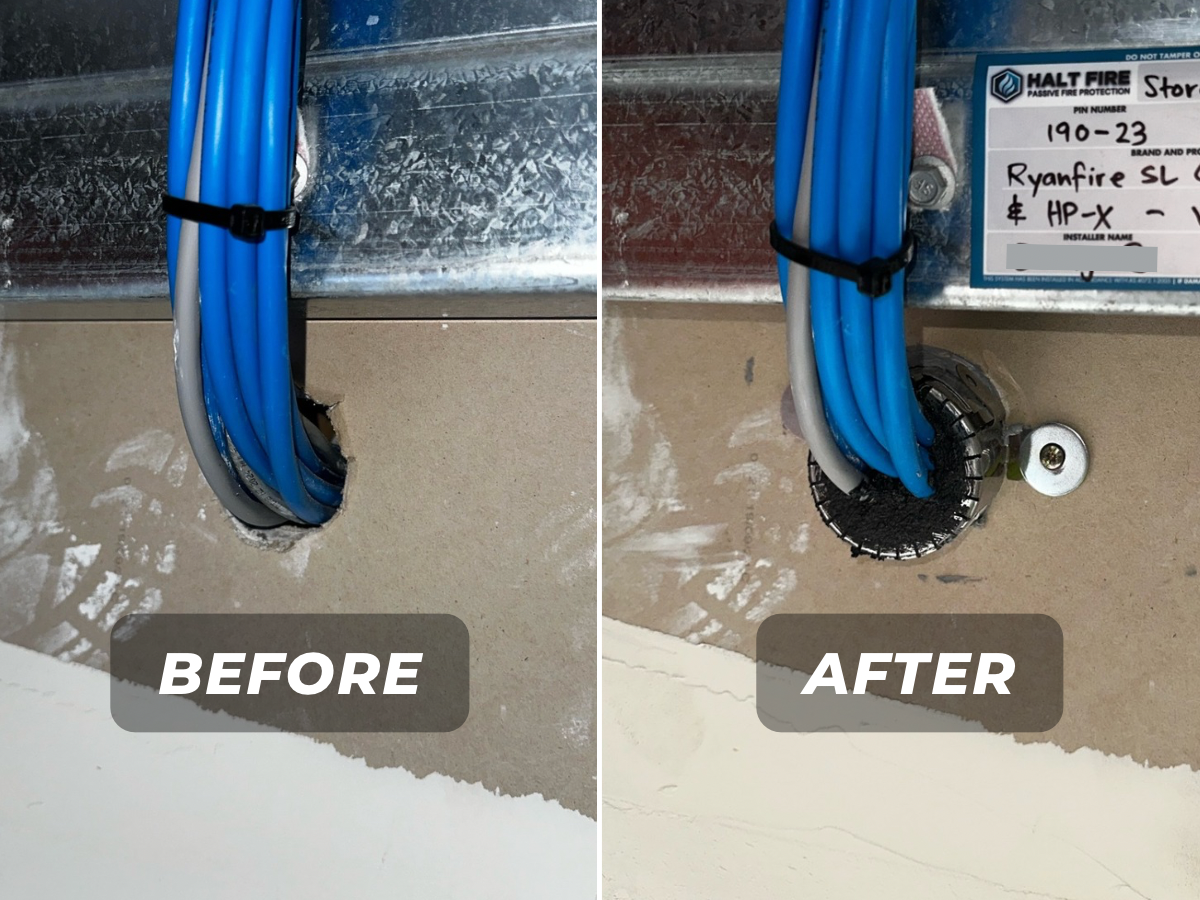
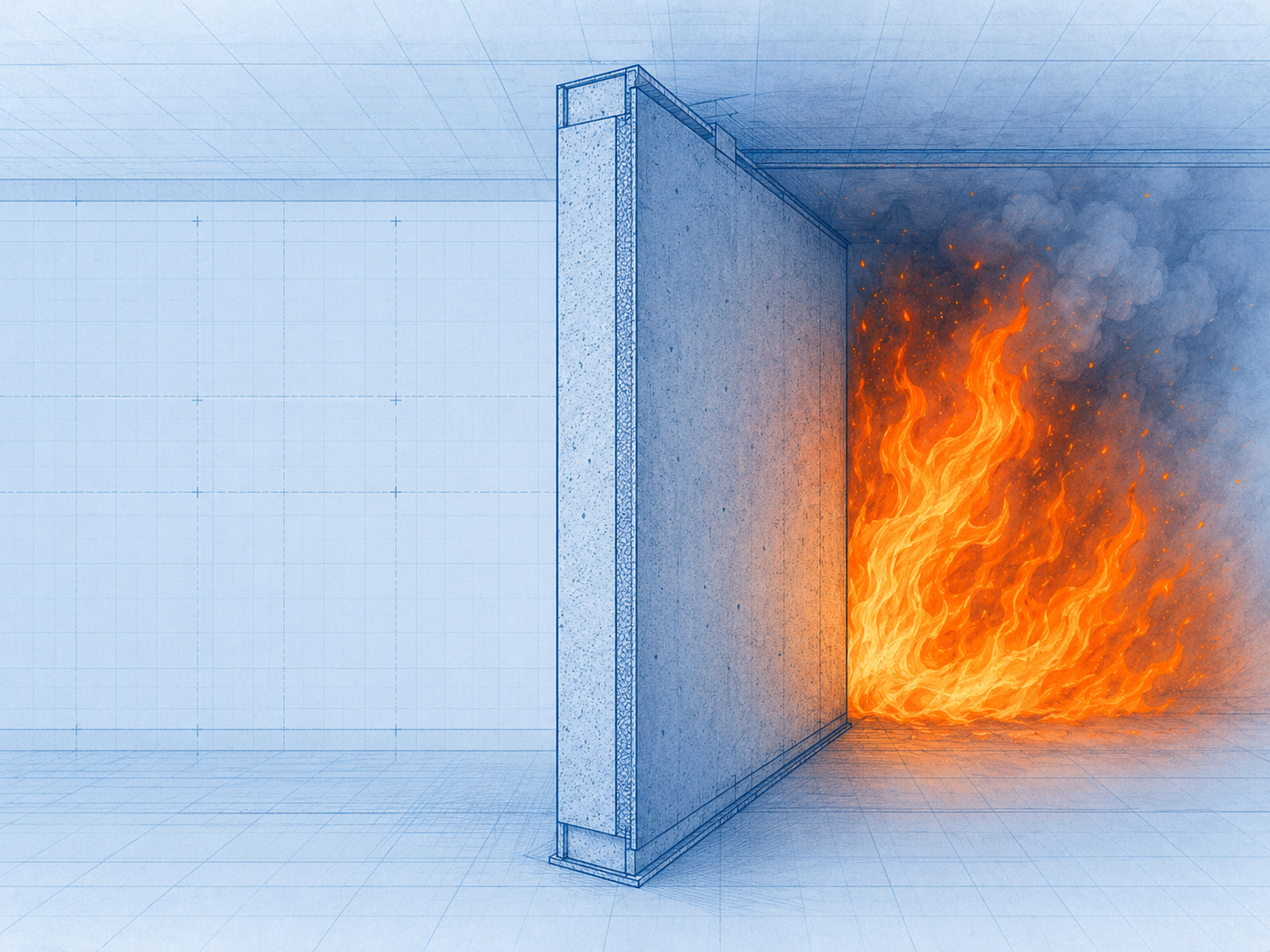
Every time a pipe, cable, duct or conduit passes through a fire-rated wall or floor, it creates a service penetration, a breach in the building's fire and smoke separation. Left unsealed, that breach lets fire and smoke pass straight through, defeating the compartmentation the building relies on.
Service penetration fire stopping reinstates the fire resistance of that wall or floor using tested systems installed exactly to the manufacturer's specification. It's a requirement of the NZ Building Code (Clause C/AS), and it's checked by your IQP, council and BWOF, which is why every seal we install is documented and tagged.
Every penetration through a fire-rated wall or floor
Whatever the service, substrate or fire rating, we have a tested system to seal it, in new builds and existing buildings.
Plastic & metal pipes
PVC, HDPE, copper and steel pipes sealed with fire collars, wraps and sealants matched to pipe type and rating.
Electrical cables & trays
Single cables, bundles and loaded cable trays through walls and risers, sealed to maintain the rating.
Conduits & sprinkler pipes
Electrical conduits and fire sprinkler pipework, sealed without compromising the service.
Insulated services
Insulated and lagged pipes sealed with systems tested to keep the insulation continuous and compliant.
Mixed & combined services
Tight, congested penetrations with multiple services, sealed with batt-and-seal or mortar systems.
Cast-in & retrofit
Cast-in devices for new pours and retrofit systems for existing penetrations and remedial work.
The fire stopping systems we install
We don't guess. We select tested, BRANZ-appraised systems matched to the service, substrate and required fire rating.
Intumescent fire collars
Wrap-around and cast-in collars that crush plastic pipes closed under heat to maintain the fire seal.
Intumescent pipe wraps
Flexible wraps for combustible pipes where a collar won't fit, expanding to seal the opening.
Fire-rated sealants
Acrylic and silicone fire sealants for smaller penetrations, gaps and cable seals.
Fire pillows & bags
Re-enterable pillow systems for cable trays and risers where services change over time.
Fire-rated mortar & coated batt
Mortar and coated batt systems for large or congested mixed-service penetrations.
Fire boards
Board systems to reinstate openings and form fire-rated penetration seals in walls and floors.
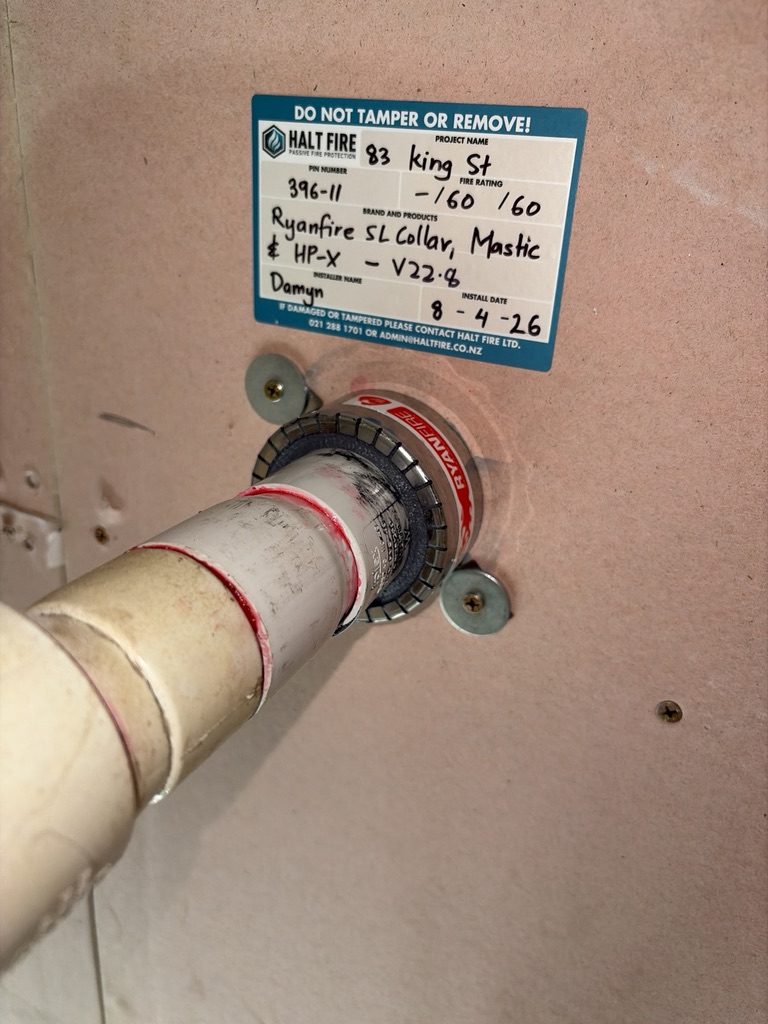
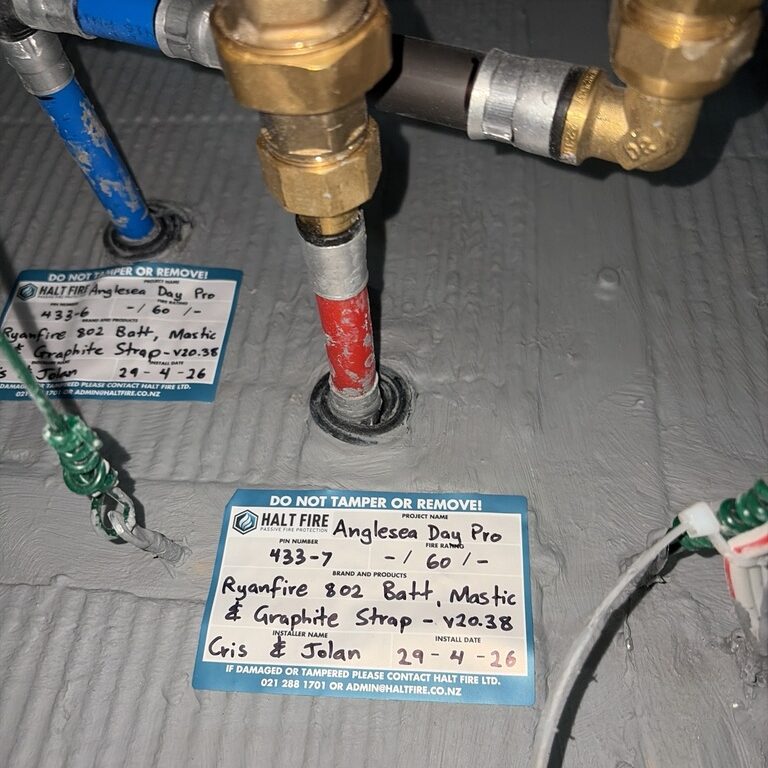
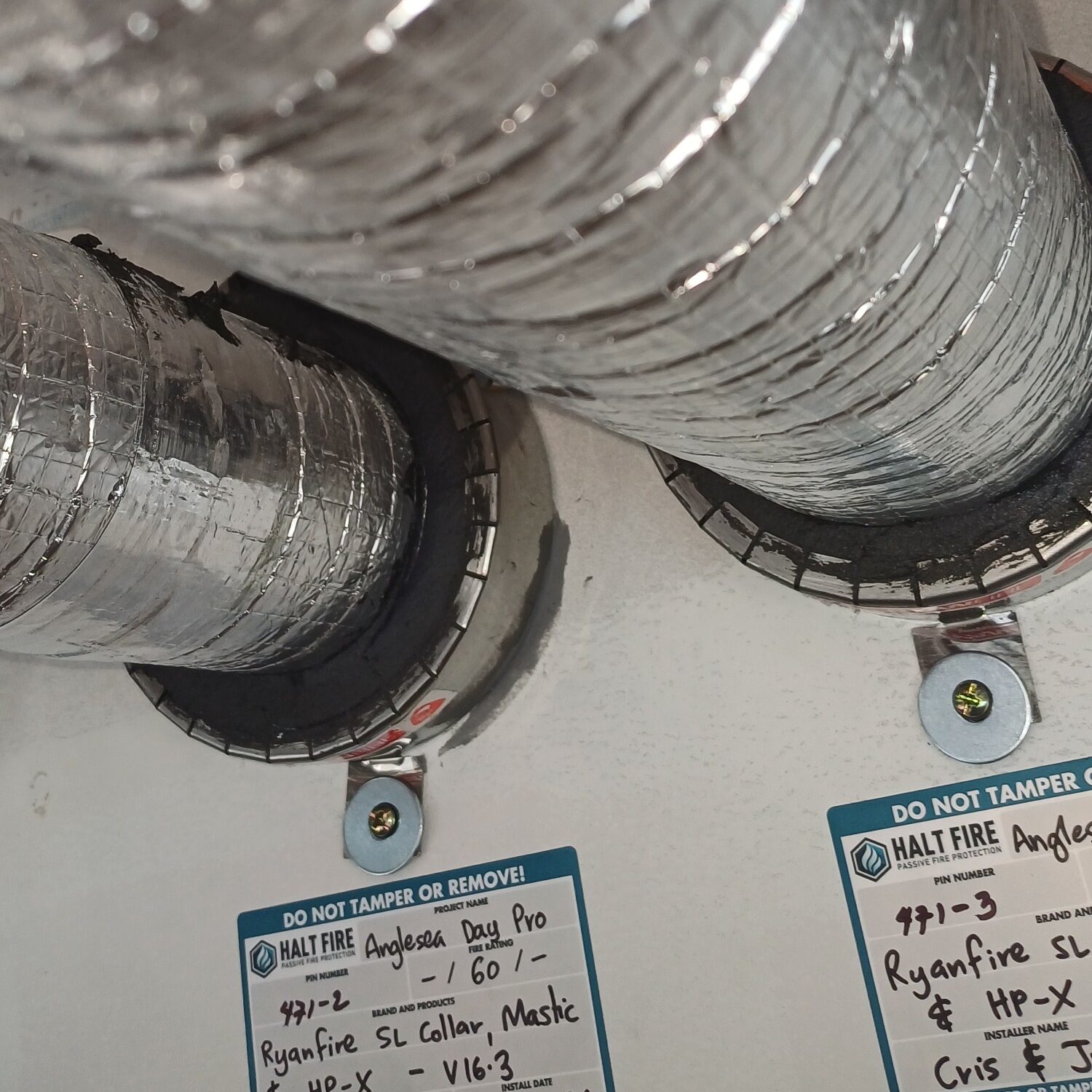
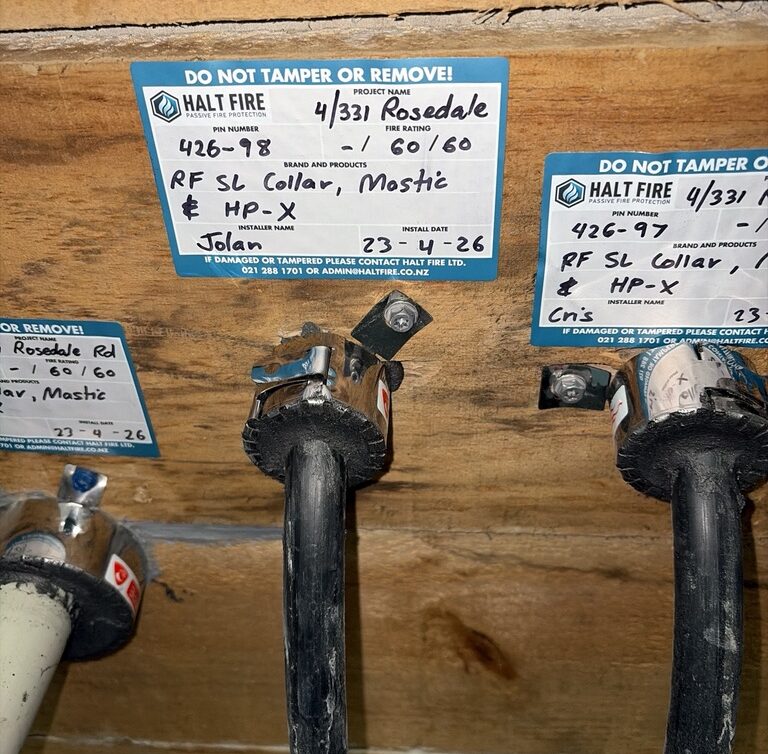
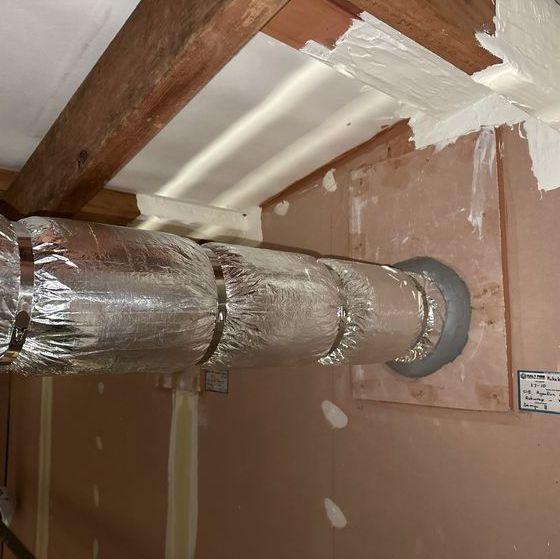
Real penetration fire stopping, tagged & documented
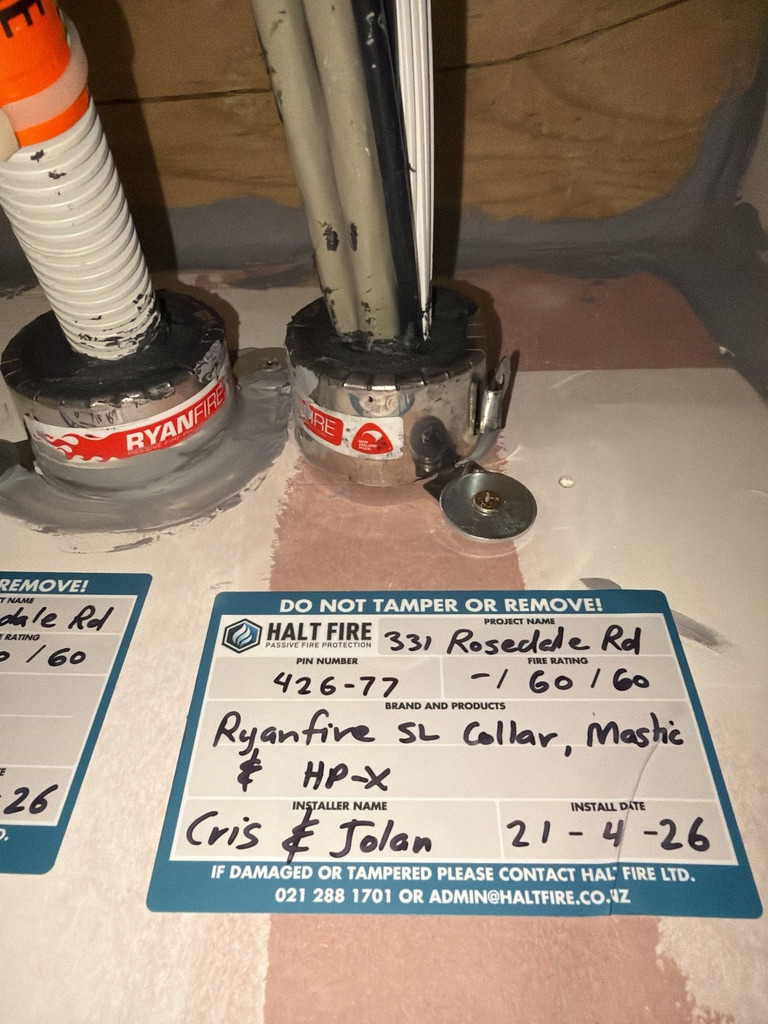
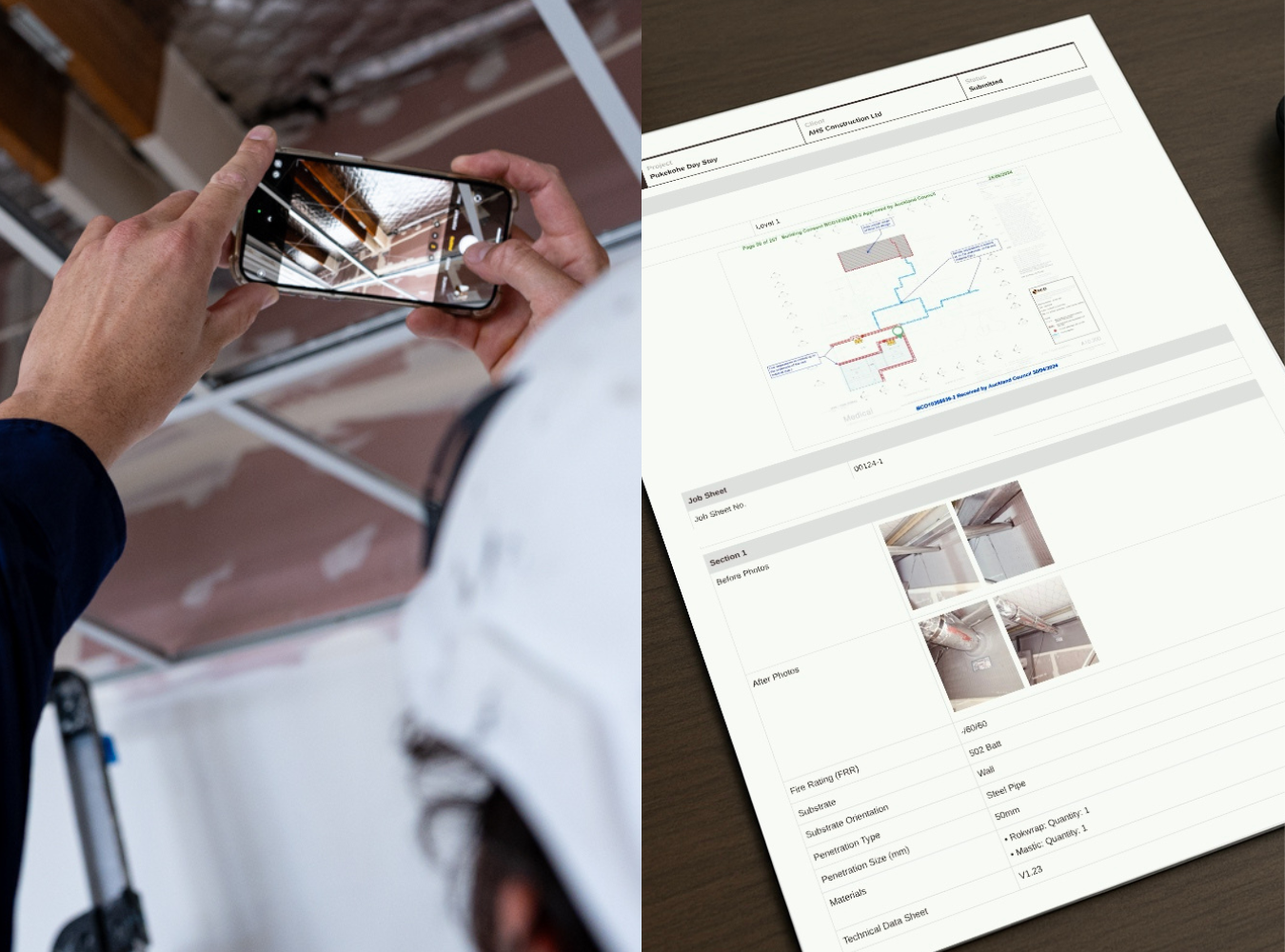
Every seal we install is tested, tagged and recorded, verifiable for your IQP, council and auditors.
Fire stopping you can prove
A fire seal is only as good as the evidence behind it. As a PS3 author, we hand over the records your IQP needs to certify the work and sign it off.
- PS3 producer statements for the installed systems
- Tagged penetrations recording the system, fire rating and location
- BRANZ-appraised, tested systems installed to specification
- Before & after photos, data sheets and as-built records
How we fire stop your penetrations
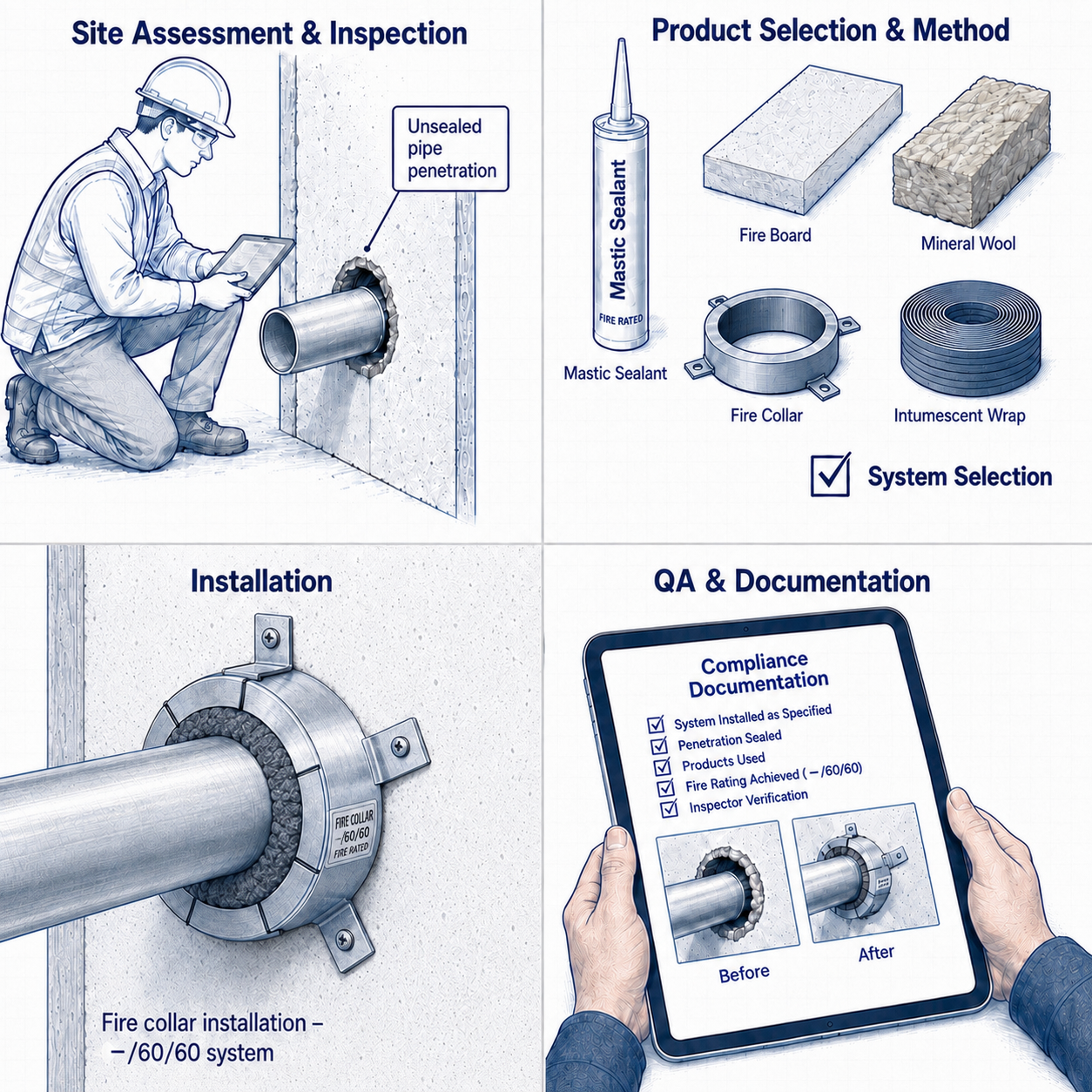
Assess & identify
We identify every penetration from drawings or on site and check it against the required fire rating.
Specify the system
We select the correct tested system for each service, substrate and rating with no generic assumptions.
Install
Installed by qualified passive fire technicians, exactly to the manufacturer's tested detail.
Tag & document
Every seal tagged, photographed and recorded, handed over with your PS3 and compliance pack.
Fire stopping for the building industry
From full new-build packages priced off drawings to sealing the penetrations your trade has created.
Main contractors
Reliable, accurately-priced penetration fire stopping packages delivered on programme with full documentation.
Electricians, plumbers & HVAC
We seal the penetrations your services create so the work passes inspection, correctly specified first time.
Property & facility managers
BWOF compliance and remedial penetration sealing in existing and occupied buildings.
Building owners & IQPs
A specialist who provides the tested systems and documentation needed to certify and sign off.
Specialists who price it right and prove it
- 1
Passive fire is all we do
Deep specialist knowledge means we spot what others miss and specify the correct system every time.
- 2
Accurate pricing from drawings
We price the full penetration scope upfront with fewer surprises and fewer variations on site.
- 3
Delivered on programme
We execute in line with the quote and flag risk areas before they become cost or delay.
- 4
Compliance you can prove
PS3 statements, tagged seals and as-builts your IQP and council will accept.
Service penetration fire stopping, common questions
What is a service penetration, and why does it need fire stopping?
Do penetrations through a fire-rated wall or floor legally need fire stopping in NZ?
Who is responsible for fire stopping service penetrations?
What's the difference between active and passive fire protection?
What is a fire collar, and what does intumescent mean?
Does my fire stopping need a PS3, and how does it affect my Form 12A and BWOF?
How much does service penetration fire stopping cost?
Do you work on new builds and existing buildings, and what areas do you cover?
Need penetrations fire stopped?
Send us your drawings or a description of the building. We'll scope it accurately and give you a clear quote with the documentation to prove compliance.